

In mission-critical facilities such as data centers, hospitals, industrial plants, telecommunications networks, and financial institutions, the reliability of the Uninterruptible Power Supply (UPS) system is essential for maintaining continuous operation. Any service activity performed on a UPS system carries inherent operational risks, including unexpected outages, equipment damage, and safety hazards. To minimize these risks, a detailed Method of Procedure (MOP) should be developed and followed before performing any maintenance, testing, installation, commissioning, or repair activities.
A Method of Procedure (MOP) is a formal, step-by-step document that defines the exact sequence of actions, safety precautions, responsibilities, required tools, contingency plans, and expected outcomes for a specific service activity. Implementing a comprehensive MOP provides significant operational, technical, and business advantages.
Key Advantages of Having an MOP for UPS Services
1. Improved Personnel Safety
Safety is the primary benefit of a well-developed MOP. UPS systems contain hazardous electrical energy sources, including AC utility power, batteries, capacitors, and static bypass circuits. An MOP helps ensure that:
· All electrical hazards are identified before work begins.
· Lockout/Tagout (LOTO) procedures are properly implemented.
· Appropriate Personal Protective Equipment (PPE) requirements are defined.
· Technicians understand potential arc-flash and shock hazards.
· Emergency shutdown and recovery procedures are clearly established.
By following a documented procedure, the risk of injury to service personnel is significantly reduced.
2. Reduced Risk of Critical Load Interruption
One of the greatest concerns during UPS maintenance is the possibility of an unplanned outage affecting critical loads. A properly prepared MOP minimizes this risk by:
· Identifying all operational dependencies.
· Verifying system redundancy before maintenance begins.
· Defining transfer sequences between UPS modules and bypass sources.
· Confirming load paths and backup configurations.
· Establishing rollback procedures if unexpected conditions occur.
This structured approach helps maintain continuous power availability during service activities.
3. Standardization of Service Procedures
An MOP creates a consistent and repeatable process for performing maintenance and service tasks. Standardization provides several benefits:
· Ensures all technicians follow the same approved procedures.
· Reduces human error caused by assumptions or improvisation.
· Improves service quality and consistency.
· Facilitates training and knowledge transfer.
· Maintains compliance with company and industry standards.
Standardized procedures are particularly valuable when multiple technicians or contractors are involved.
4. Enhanced Risk Management
A detailed MOP serves as a formal risk assessment tool by identifying:
· Potential failure points.
· Equipment vulnerabilities.
· Operational impacts.
· Safety hazards.
· Recovery strategies.
By evaluating these factors before work begins, organizations can implement mitigation measures and significantly reduce operational risk.
5. Improved Communication and Coordination
UPS maintenance often requires coordination among various stakeholders, including:
· Service technicians.
· Facility managers.
· Electrical engineers.
· Operations personnel.
· Customers and end users.
An MOP provides a common reference document that clearly defines:
· Scope of work.
· Responsibilities.
· Work sequence.
· Communication protocols.
· Approval requirements.
This improves coordination and reduces misunderstandings during critical operations.
6. Faster Troubleshooting and Recovery
Unexpected conditions can occur during maintenance activities. A properly prepared MOP includes contingency and rollback procedures that enable technicians to:
· Quickly identify abnormal conditions.
· Execute predefined recovery actions.
· Restore system operation efficiently.
· Minimize downtime and service interruptions.
This structured response capability is especially important in mission-critical environments.
7. Regulatory and Compliance Support
Many industries require documented maintenance procedures and operational controls. An MOP helps organizations comply with:
· Electrical safety regulations.
· Facility operational standards.
· Quality management systems.
· Customer contractual requirements.
· Internal corporate procedures.
Documented procedures also provide valuable evidence during audits, inspections, and incident investigations.
8. Protection of Critical Equipment Assets
UPS systems represent a significant capital investment. Improper service procedures can lead to:
· Power module failures.
· Battery damage.
· Static switch failures.
· Control system faults.
· Reduced equipment life expectancy.
Following a detailed MOP reduces unnecessary stress on equipment and helps maximize system reliability and service life.
9. Improved Customer Confidence
For service providers, presenting a professional MOP demonstrates:
· Technical competency.
· Attention to safety.
· Risk awareness.
· Operational discipline.
· Commitment to reliability.
Customers gain confidence knowing that maintenance activities are carefully planned, reviewed, and executed according to established procedures.
10. Documentation and Knowledge Retention
An MOP creates a permanent record of:
· Service activities performed.
· System configurations.
· Operational observations.
· Test results.
· Lessons learned.
This documentation becomes a valuable resource for future maintenance activities, troubleshooting, training, and system upgrades.
Conclusion
A Method of Procedure (MOP) is an essential component of professional UPS service operations. It provides a structured framework that enhances safety, reduces operational risk, improves service quality, protects critical equipment, and ensures business continuity. Whether performing preventive maintenance, battery replacement, system upgrades, load bank testing, or commissioning activities, implementing a comprehensive MOP significantly increases the probability of a successful and incident-free operation.
For organizations operating mission-critical power systems, developing and adhering to detailed MOPs should be considered a best practice and a fundamental requirement for reliable UPS service management.
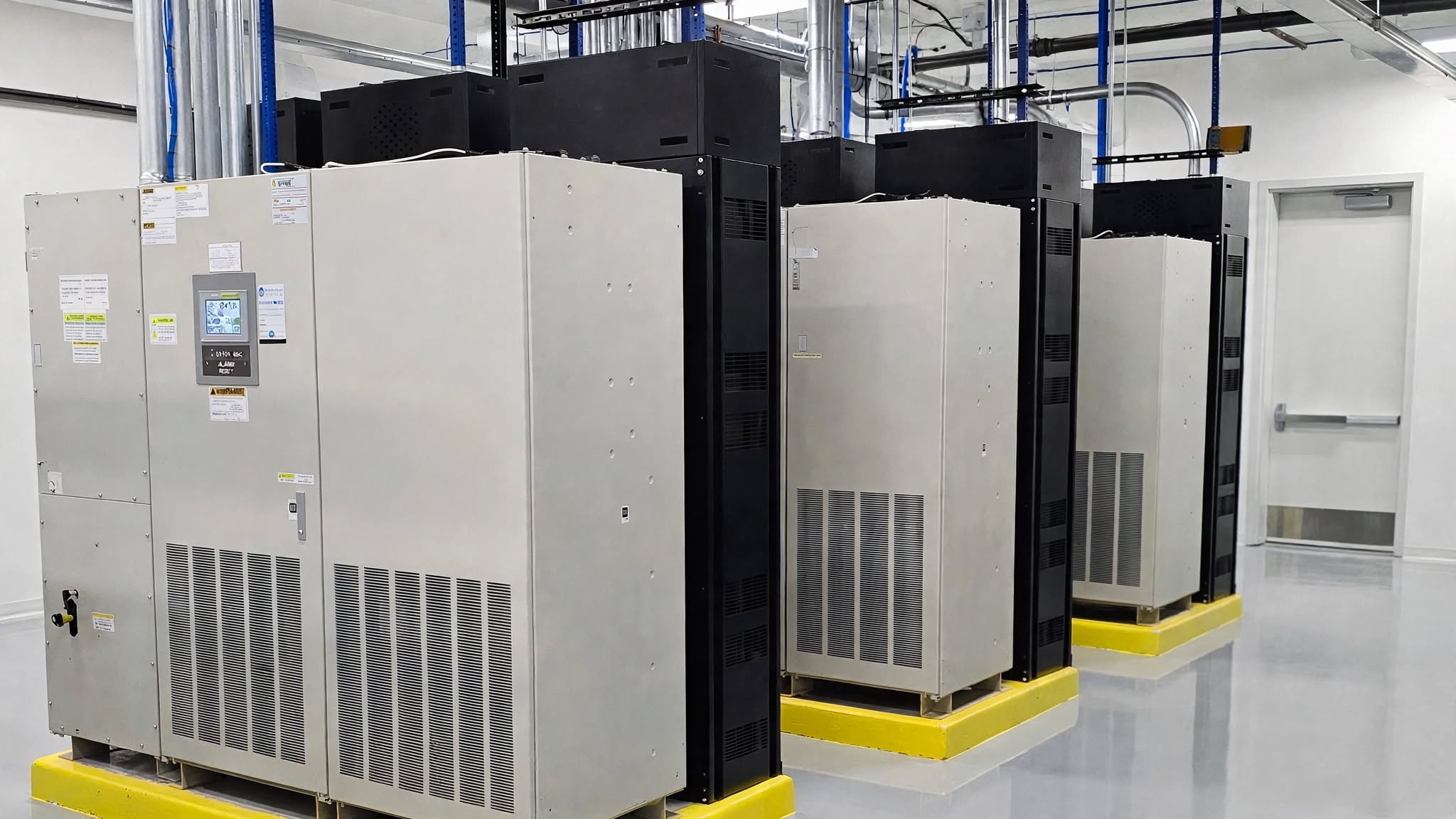
Hatch Power helps customers develop detailed, site-specific Method of Procedure (MOP) documents for UPS installation, maintenance, testing, and critical switching operations. Our MOPs define step-by-step procedures, safety requirements, equipment status, responsibilities, and contingency measures to minimize operational risk. With UPS engineering and power-quality expertise, Hatch Power ensures each MOP supports safe execution, system reliability, and mission-critical uptime.
.png)


